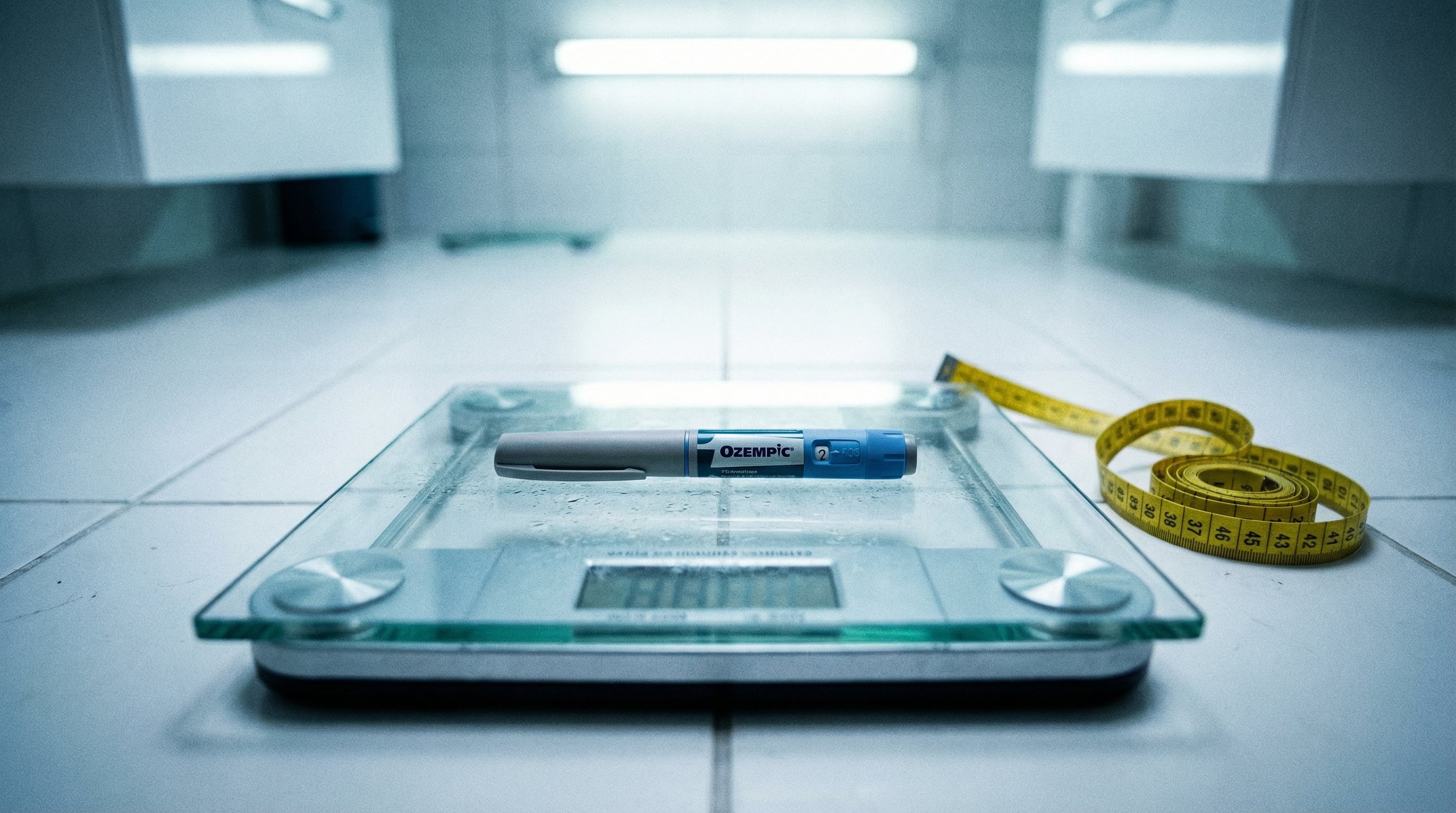
Imagine finally shedding those stubborn pounds with Ozempic or Wegovy, only to watch most of them creep back the moment you hit pause. A fresh review in The Lancet00043-X/fulltext) just crunched the numbers on what happens when you stop these game-changing GLP-1 drugs, and it's a reality check for anyone dreaming of quitting cold turkey.
Researchers from the University of Cambridge and elsewhere dug into 48 studies—36 randomized trials and 12 others—tracking thousands of people who'd been on drugs like semaglutide (that's Ozempic and Wegovy) or tirzepatide. They zeroed in on six high-quality trials with over 3,200 participants for their fancy meta-regression model. The big takeaway? Stop the shots, and your body hits the rebound button fast. In the first year off the meds, folks regain about 60% of the weight they'd lost during treatment. It's not linear—it's this exponential curve: rapid at first, then slowing down, plateauing around 75% regained after about 60 weeks. If you dropped 20% of your body weight on the drug, you might hang onto just 5% long-term, or roughly 25% of your initial loss.
Other perks fade too. Blood sugar control and blood pressure improvements bounce back partially—HbA1c climbs about 50% toward baseline by 8-12 weeks. The studies followed folks up to a year post-stop, but projections suggest some partial win sticks around, just way less than you'd hope. No direct diet comparisons here, but earlier trials like STEP 1 showed similar two-thirds regain after semaglutide.
Why care? These drugs have exploded—millions are on them for obesity and diabetes, fueled by celeb endorsements and supply finally catching up. But half quit within a year due to side effects like nausea, cost (hundreds a month without insurance), or supply issues. This review screams that obesity is chronic; these aren't magic cures. Without ongoing treatment or smart maintenance—like diet, exercise, or tapering—you're likely yo-yoing back. Health-wise, that regained weight might pack more fat than muscle, undoing heart benefits and raising risks again. Payers and docs face dilemmas: lifelong scripts? New guidelines?
It's also a nudge for realism amid the hype. Sure, 15-20% loss is huge short-term, beating most diets. But stopping means most gains evaporate, faster than lifestyle changes alone. Cambridge researchers note the plateau offers hope—maybe pair drugs with habits for better stickiness.
Here's our Mornings take: Look, these GLP-1s are legit miracles for kickstarting weight loss, but this study is your wake-up call—no free lunch. If you're on Ozempic thinking "score, off by summer vacation," think again; you'll be buying larger pants by fall. Better to view them as tools in a lifelong toolkit: use 'em to build habits, not bail on them. Talk to your doc about strategies—maybe cycle down slowly or add gym time. Obesity won, but we're smarter now. Who knows, next-gen drugs might change the game, but for now, sustainability beats the quick fix every time.