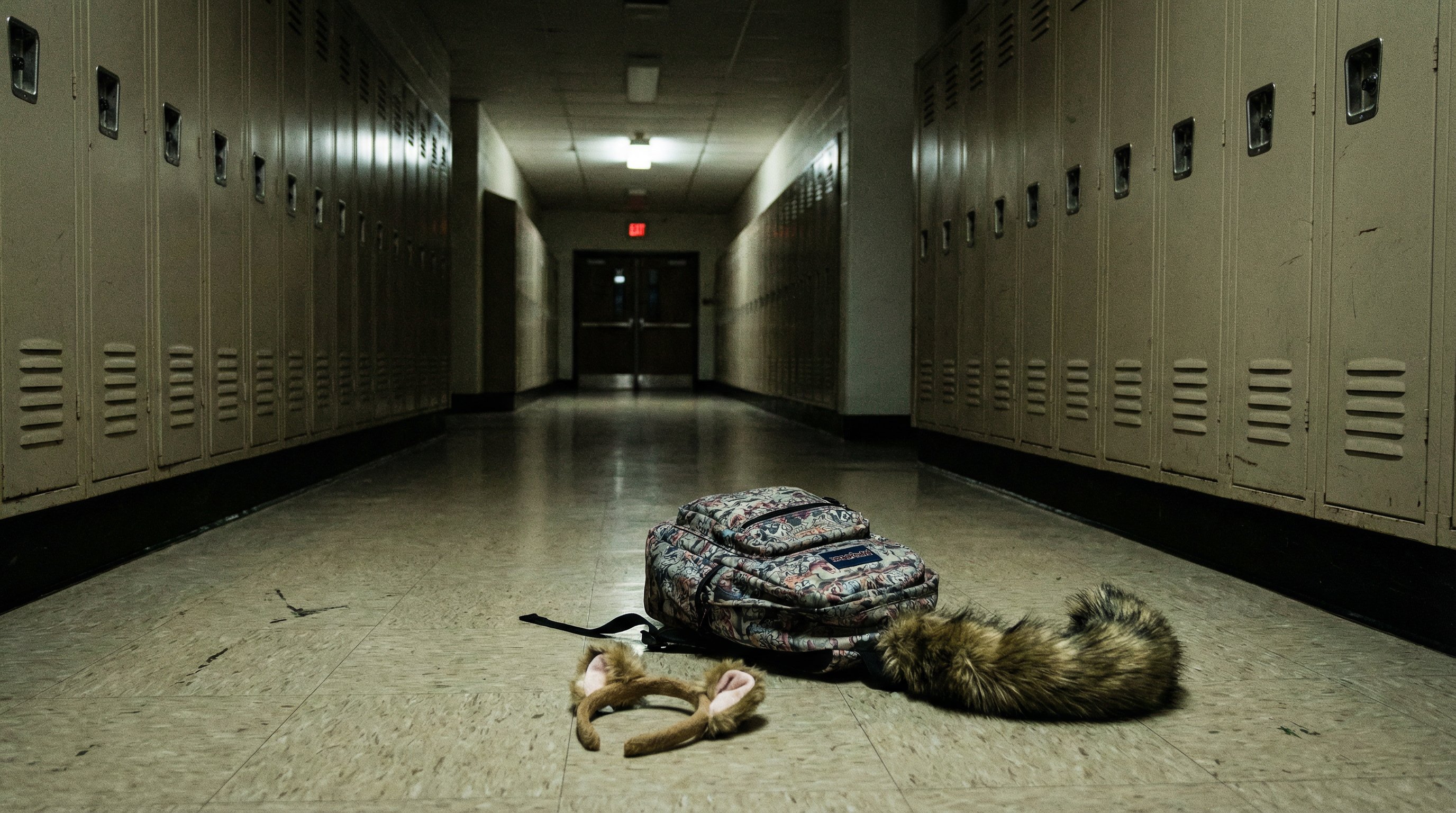
If you’ve been on TikTok for more than five minutes, you’ve probably seen it: kids running “quadrobics” on all fours, wearing tails, barking at the camera like it’s totally normal… and then adults immediately panicking like school hallways are turning into a petting zoo.
Here’s the real story behind the headline. “Therians” are people who say their inner sense of self is partly (or fully) non-human—usually a real animal like a wolf, fox, cat, or dog. They’re not claiming they physically transform; it’s more psychological, emotional, or sometimes spiritual, and the modern community traces back to early internet forums in the 1990s. The big thing they’ll tell you is: this isn’t cosplay, it’s identity—different from “furry,” which is typically about fandom and art, not believing you are the animal.
In schools, the reality is messier and way less cinematic than the viral clips. A lot of the “kids identifying as animals” panic in the U.S. has been tied to rumors that don’t hold up—like the infamous “litter boxes in school bathrooms” claim that repeatedly gets debunked. When districts do investigate, what they often describe is pretty mundane: students showing up with ear headbands or a tail accessory, maybe some roleplay at recess, and then administrators falling back on the same old tools—dress code, no masks for safety, and “don’t disrupt class.”
But the trend isn’t imaginary either. There are real online communities, and in early 2026 the conversation got louder in the Spanish-speaking world, partly because of viral videos (some of them AI-generated) that made it look like therians were staging protests and demanding “rights.” At the same time, a project in Argentina called Fyrulais popped up offering workshops for teens and young adults—think: a safe space to practice quadrobics, animal vocalizations, and community meetups. It’s not a mainstream “school” in the normal sense, but it became an easy symbol for “this is spreading.”
Why does this matter? Because it’s becoming the next culture-war prop. It’s already getting mashed together with older “furry in schools” narratives and used as a shorthand for “wokeness has gone too far,” even when the actual school-level issues are usually basic: distraction, safety, bullying, and where the line is between self-expression and chaos during math class. And when AI videos start flooding the zone, it gets harder for parents, teachers, and local officials to separate a real hallway issue from a manufactured online freakout.
The Mornings Take: Let kids be weird. Kids have always been weird. The job of school isn’t to police every identity experiment—it’s to keep class functional, keep students safe, and keep cruelty from becoming the default social sport. If a tail at recess helps a kid feel like themselves, fine. If “I’m a wolf” turns into biting, harassment, or refusing to participate in class, then congrats: you’re not being persecuted, you’re just breaking the same rules as everyone else. The panic is the point—and the internet is very good at selling us panic.