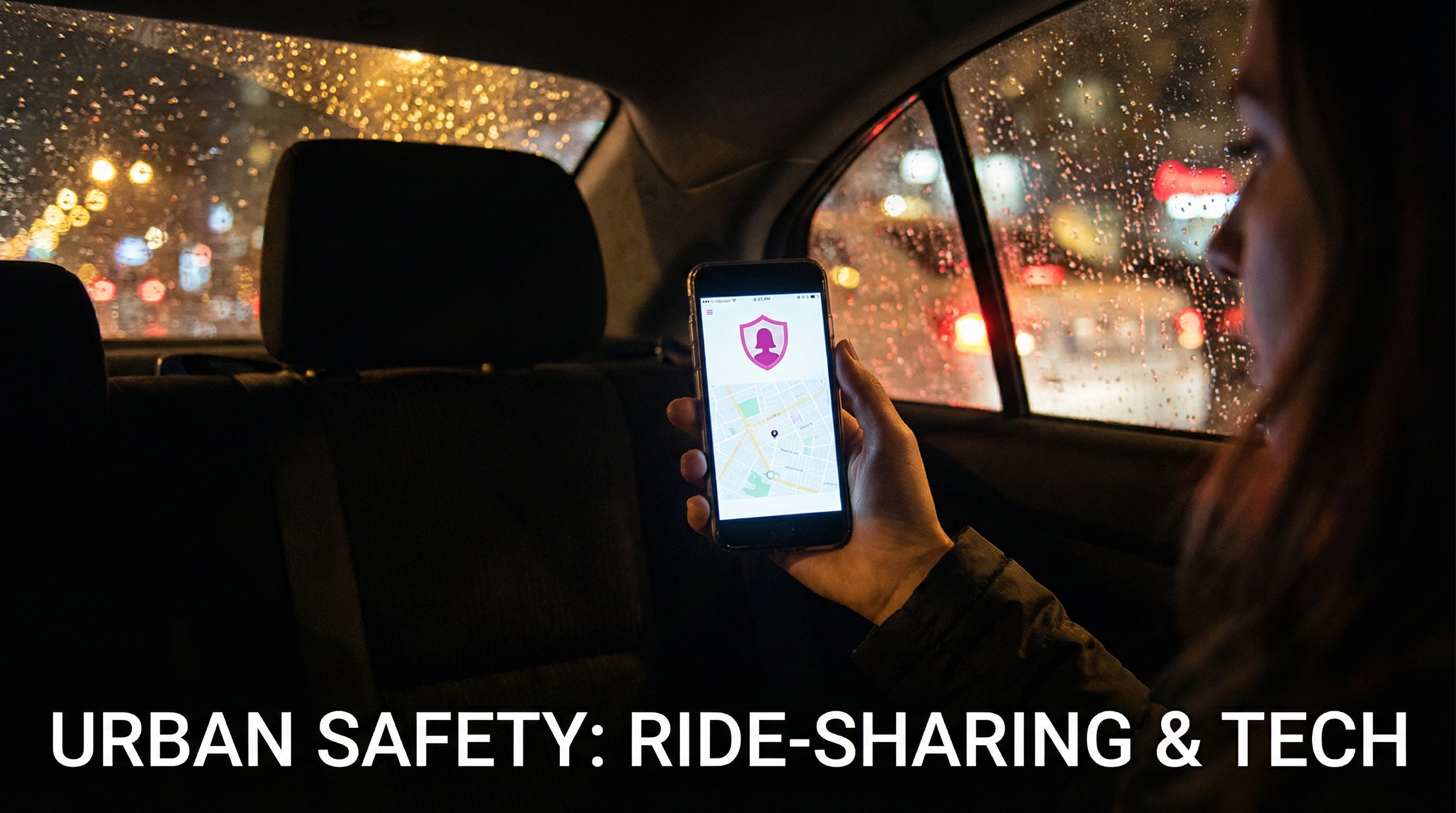
Imagine hopping into an Uber late at night, but instead of rolling the dice on your driver, you can pick a woman behind the wheel. Uber just made that nationwide this week, rolling out their \"Women Preferences\" feature across the US. But hold up—some male drivers are suing, calling it straight-up discrimination.
It started as a pilot last summer in places like San Francisco, LA, and Detroit, then hit 26 more cities by November. Now it's everywhere, timed right around International Women's Day on March 9th. Women riders can tap for a female driver, book ahead, or set it as default in the app—even for teen accounts. Female drivers, who make up about one in five Uber drivers nationwide (though it varies by city), can flip the switch to prefer women passengers too, and turn it off anytime. It's not exclusive—it's a preference to boost matches, not a guarantee. Uber first tested this in Saudi Arabia back in 2019 after women got driving rights there, and now it's in over 40 countries. They're pushing it with ads featuring athletes like Alex Morgan and Jordan Chiles to draw more women drivers.WSLS
But here's the twist: two male Uber drivers in California—Andre Almond from LA and Hans Ruud from San Francisco—filed a class-action lawsuit back in November, claiming it violates the state's Unruh Civil Rights Act, which bans sex discrimination by businesses. They argue female drivers get a bigger pool of rides (women are nearly half of riders), leaving men with fewer gigs and lost cash. Plus, it \"reinforces the stereotype that men are more dangerous than women.\" Uber fired back with a motion to force arbitration per driver agreements, saying the feature serves a \"strong public policy interest in enhancing safety.\" The lawsuit's still grinding on, even as the rollout happens.People
This isn't Uber's first safety rodeo. They've faced thousands of sexual assault lawsuits—over 3,300 pending in federal court alone as of early 2026. Just last month, an Arizona jury hit them with an $8.5 million payout to a woman raped by a driver, finding Uber liable. Lyft's in the same boat with their Women+ Connect feature from 2024, facing identical discrimination suits. Female drivers like Melody Flores in SF swear by it—she drives overnight to care for her kid daytime and says it cuts creepy drunk guys, boosting her business. But critics like driver Sergio Avedian point out slim female driver numbers mean long waits, especially late nights when folks want quick, cheap rides.NBC News
Why care? Safety in rideshares isn't abstract—women report harassment way too often, and these apps exploded without taxi-level safeguards. Features like this give control, could lure more women drivers, and tackle real fears without cameras or panic buttons everywhere. But if courts side with the drivers, it might kill similar options, forcing a one-size-fits-all that ignores legit risks. It's business vs. bias in the gig economy, where contractors fight for every ping.
Our take? Safety trumps stereotypes every time. Yeah, most drivers are great guys, but when assaults make headlines and juries hand out millions, options like this aren't discrimination—they're damage control. Women shouldn't wait 20 minutes post-bar for peace of mind, and drivers picking preferences is no wilder than rating rude passengers. Uber's threading the needle legally, but if it keeps women riding (and driving), that's a win. Pass the coffee— what's your late-night Uber strategy?