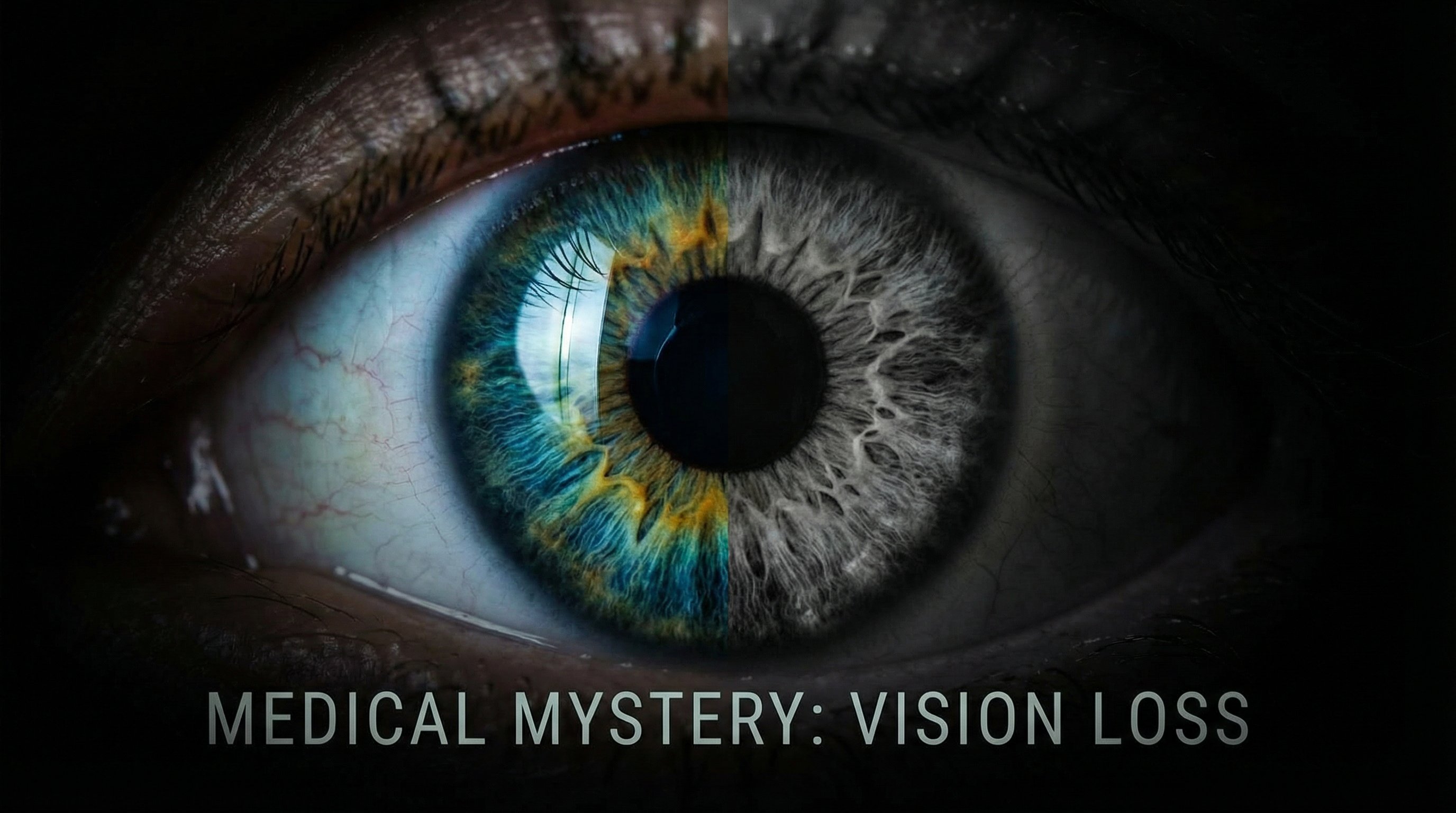
Imagine glancing down after using the bathroom and not spotting that telltale red streak because your eyes just don't pick up the color right. Turns out, for folks with colorblindness, that missed clue could be a silent alarm for bladder cancer going off unheard.
Researchers at Stanford Medicine, digging through millions of health records, uncovered something wild. They looked at over 100 million U.S. patient files from the TriNetX database and zeroed in on people diagnosed with both bladder cancer and color vision deficiency—basically colorblindness. After matching up 135 colorblind patients with bladder cancer to 135 similar folks with normal vision, the results were stark: the colorblind group had a 52% higher risk of dying over 20 years, all causes considered.Nature Health study They ran Kaplan-Meier survival analysis showing lower survival probability (P=0.028), and the mortality risk ratio clocked in at 1.52 with 95% confidence (1.05–2.19, P=0.025).ScienceDaily
Lead author Mustafa Fattah, a Columbia med student, and senior author Ehsan Rahimy from Stanford explained it simply: most colorblindness messes with red-green distinction, and blood in urine—the top sign for 80-90% of bladder cancers—is bright red. If you can't see it clearly, you don't freak out and call the doctor. Prior studies back this: colorblind people spot blood in samples only 70% of the time versus 99% for normal vision, and they often get diagnosed at later stages.
They also checked colorectal cancer, expecting the same pattern since blood in stool can be a clue there too. But nope—no significant survival difference (P=0.593 after matching 187 each). Why? Colorectal cancer throws other curveballs like abdominal pain or bowel changes, plus routine colonoscopies starting at 45 catch it early anyway.
This hits different when you think about who it affects. Colorblindness touches 1 in 12 men and 1 in 200 women, and many don't even know they have it since there's no routine screening. Bladder cancer skews male too, so overlap's real. The study relied on ICD codes, so undiagnosed cases might push the true risk even higher, diluting the numbers we saw. It's hypothesis-generating, with calls for prospective trials and targeted screening.
Here's why you should care: early detection saves lives, and this flips the script on a \"harmless\" trait we joke about with traffic lights and outfits. Doctors might start asking about color vision in checkups, push urine dips more routinely, or have us recruit a bathroom buddy—partner or roommate—to eyeball changes. Rahimy nailed it: \"If you don't trust yourself... have somebody checking it for blood.\"Stanford Medicine Simple tweak, massive payoff.
Okay, Mornings take: This is peak \"your body is weirdly smart but sneaky\" territory. We've got eyes that can betray us on something as basic as pee color, turning a stealth cancer into a stealthier one. Next time you're in the bathroom, maybe snap a pic or grab a second opinion if colors play tricks on you. And docs, add that question to the list—could be the difference between stage one and too late. Wild how a quirk like colorblindness hides in plain sight, right? Pass it on; awareness might just flush out the next big save.