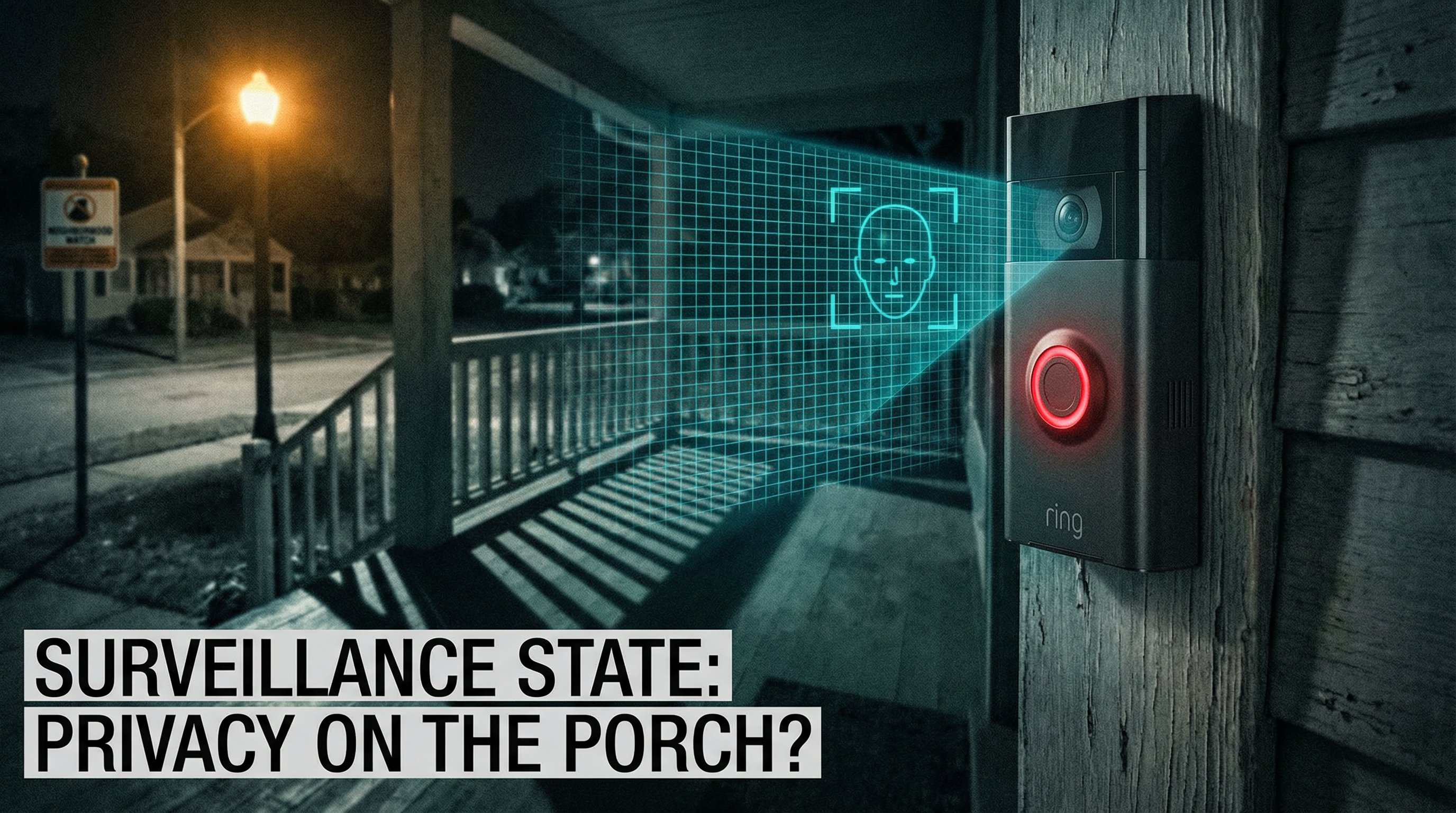
Imagine this: you're walking down your own street, waving at neighbors, when suddenly your face gets scanned, cataloged, and added to a digital watch list without you ever knowing. That's the new reality with Amazon's Ring doorbells, where facial recognition is firing up by default on millions of devices, turning quiet neighborhoods into high-tech surveillance zones.
Picture your Ring doorbell— that trusty gadget millions have to keep an eye on package thieves. Last year, Amazon rolled out 'Familiar Faces,' an AI tool that learns to spot mom, the delivery guy, or nosy neighbor Chris, sending personalized alerts like 'Chris at front door.' Handy, right? But here's the twist reported by Ars Technica: as of early 2026, Ring flipped the switch, auto-enabling this and other AI features—including facial recognition—for existing cameras without so much as an opt-out nudge. Users on Reddit lit up, complaining their settings got overridden, forcing them to dig into menus to shut it down. Ring's official line? It's supposed to be off by default on new devices, toggleable in the app under AI Features Ring Support. But real-world gripes say otherwise, with cameras now scanning every passerby, building face libraries up to 50 profiles deep, and potentially holding untagged biometrics for months.
It gets creepier with neighborhood tie-ins. Ring's 'Search Party' lets AI ping nearby cameras to hunt lost pets—or worse, in critics' eyes. A dystopian Super Bowl ad showed lights sweeping blocks for a dog, sparking outrage and killing a Flock Safety partnership that would've fed footage straight to cops. Now, with faces auto-recognized, neighbors are crowdsourcing watch lists: tag the sketchy guy, ignore the mailman. In dense burbs, that's a web of eyes tracking movements, no warrant needed.
Why care? This isn't just paranoia fodder. The EFF warns it smashes biometric consent laws—your face gets scanned sans permission if you're just walking by EFF. Sen. Ed Markey blasted Amazon in letters, calling it a 'significant privacy violation' that ropes bystanders into databases Sen. Markey. Ring's rap sheet? FTC fined them $5.8M in 2023 for employees peeping bedroom cams. With video doorbells hitting nearly $3 billion market in 2026 and Ring leading, millions could be complicit in a surveillance dragnet. Opt out? Sure, but good luck convincing every neighbor—and what about visitors, kids, canvassers? It's mission creep from porch pirate protection to Big Brother blocks.
Look, we get the appeal—who doesn't want smarter alerts? But auto-defaulting face-scanning on doorsteps feels like Amazon betting we'll all just shrug. Time to check your app, folks, and maybe chat with the block about drawing lines. Convenience is great until it's watching your every step. What's your take—upgrade security or unplug the dystopia?